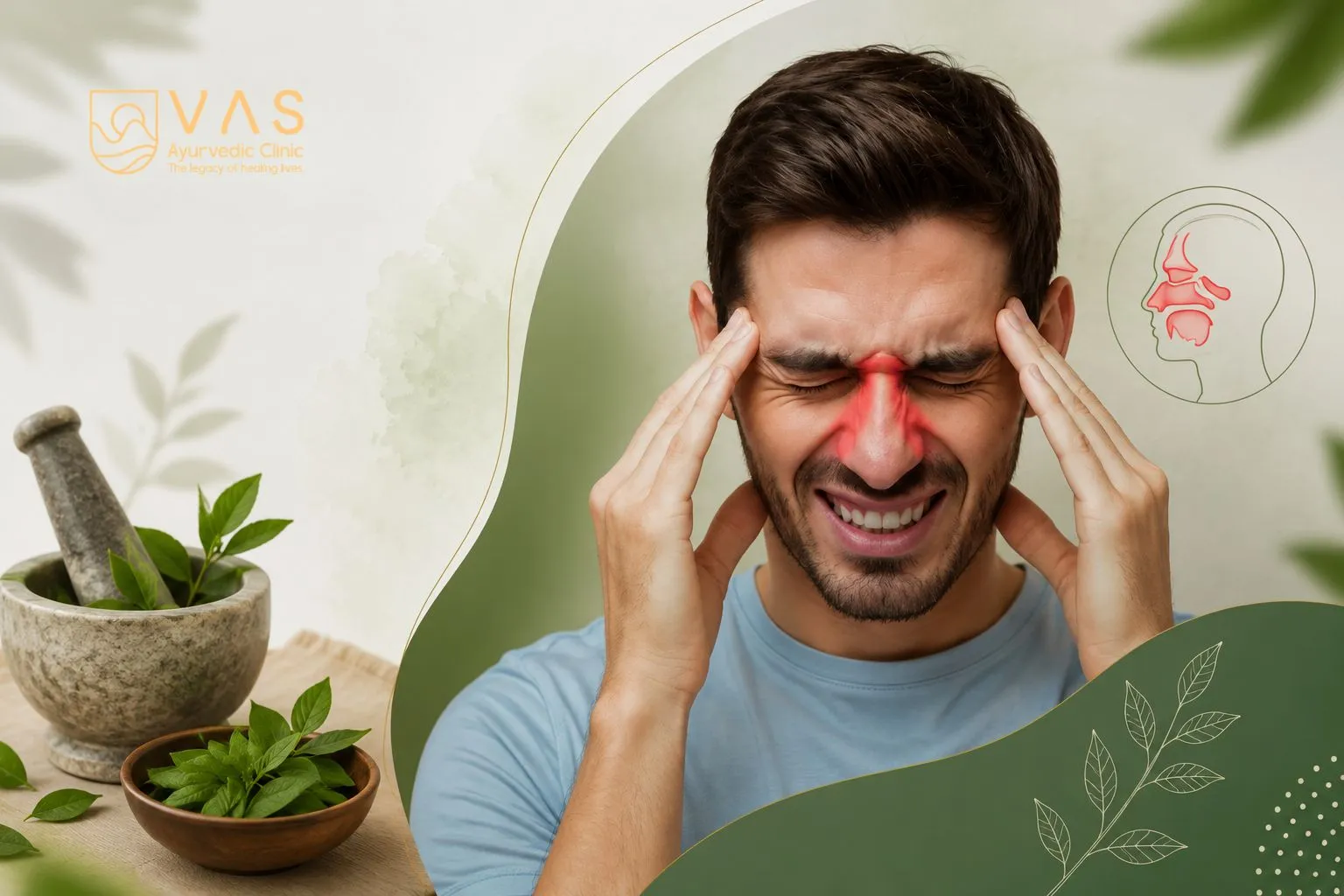
You finally get relief from a blocked nose and sinus pressure, start feeling normal again, and then, a few weeks later, it all comes back.
The congestion. The headache. The heaviness around your face. Sometimes even the constant need to clear your nose.
If this sounds familiar, you may be dealing with recurring sinusitis.
For many people, sinus problems can become an ongoing cycle. Symptoms improve for a while and then return, making it difficult to understand what is actually causing them.
So, why does sinusitis keep coming back?
There isn’t always one simple answer. Allergies, dust, pollution, weather changes, nasal inflammation, and other factors can contribute to recurrent sinus symptoms.
Understanding your triggers and getting the right guidance can be an important step towards better sinus and respiratory wellness.
Sinusitis occurs when the tissues lining the sinuses become inflamed. This can cause symptoms such as nasal congestion, facial pressure, headache, mucus buildup, and difficulty breathing through the nose.
When these symptoms return repeatedly, it may be described as recurring sinusitis.
Some people experience sinus problems after exposure to dust or allergens, while others notice them during weather changes or after spending long periods in air-conditioned environments.
The important thing is to recognise your own pattern.
One of the common reasons people experience repeated sinus problems is exposure to allergens.
Dust, pollen, mould, and other allergens can irritate the nasal passages and cause inflammation. If you’re regularly exposed to a trigger, congestion and other symptoms may continue to return.
You may notice this after cleaning your home, spending time in dusty environments, or being around a particular allergen.
Understanding these patterns can help you identify what may be contributing to your symptoms.
Your everyday environment can have an effect on your nasal and respiratory health.
Dust, pollution, smoke, and other airborne irritants may irritate the nasal passages. For people who are already sensitive to these triggers, regular exposure can make congestion and other sinus problems more noticeable.
Sometimes, the trigger isn’t one major exposure. It can be repeated throughout the day.
The sinuses naturally produce mucus, which normally drains through small openings into the nose.
When inflammation causes these passages to become swollen or blocked, mucus may not drain properly. This can lead to congestion and facial pressure.
If this keeps happening, it may be worth getting your symptoms assessed instead of simply treating each episode separately.
Have you noticed that your nose becomes blocked when the weather changes?
Changes in temperature and humidity can affect nasal comfort for some people. Moving between hot outdoor weather and strongly air-conditioned indoor spaces may also irritate sensitive nasal passages.
Paying attention to when your symptoms appear can help you identify possible triggers.
Not every blocked nose or headache is caused by sinusitis.
Allergic rhinitis, common colds, and other nasal conditions can cause similar symptoms. For example, frequent sneezing, an itchy nose, watery eyes, and congestion may suggest that allergies are contributing to your discomfort.
This is particularly important if you have been experiencing chronic sinusitis symptoms or repeated episodes.
Getting the right assessment can help you understand whether you’re dealing with sinusitis, allergies, or another condition.
The terms chronic sinusitis and recurring sinusitis are sometimes used interchangeably, but they don’t necessarily mean the same thing.
Recurring sinusitis generally refers to repeated episodes that occur over time. Chronic sinusitis involves symptoms that continue for a prolonged period.
If you regularly experience congestion, facial pressure, headaches, or nasal discharge, speak with a qualified healthcare professional for an appropriate evaluation.
For someone dealing with recurring sinusitis, the experience can feel like this:
Symptoms appear → you look for relief → symptoms improve → you return to your routine → symptoms come back.
After going through this several times, it’s easy to think that repeated sinus problems are simply something you have to live with.
But recurring symptoms are worth paying attention to.
Instead of asking only, “How can I get relief this time?”, it can also help to ask, “What could be causing this to happen again?”
That change in perspective can help you become more aware of your triggers and overall health.
Ayurveda takes a personalised approach to health and wellness. Instead of looking at one symptom alone, an Ayurvedic practitioner may consider your lifestyle, diet, daily routine, environment, overall health, and individual constitution.
For people exploring Ayurvedic treatment for sinusitis, the process should begin with a proper consultation.
At an Ayurvedic Clinic in Dubai, a qualified practitioner may first discuss your symptoms, health history, lifestyle, environmental exposure, and previous treatments before suggesting a personalized approach.
The aim is to understand the individual rather than recommend the same treatment to everyone.
Depending on an individual’s needs, Ayurvedic treatment for sinusitis may involve traditional therapies, herbal support, and lifestyle recommendations.
Nasya is a traditional Ayurvedic therapy involving the administration of specially prepared herbal oils or formulations through the nasal passages.
It has traditionally been used as part of Ayurvedic approaches to nasal and sinus wellness.
However, Nasya is not suitable for everyone. A qualified Ayurvedic practitioner should determine whether it is appropriate and which formulation should be used.
Ayurveda uses various herbs and traditional formulations as part of personalised care.
A practitioner may recommend specific herbal preparations depending on the individual’s symptoms and overall health.
It is important not to self-prescribe herbal products simply because they are promoted online for sinus problems. The appropriate formulation, dosage, and duration can vary from person to person.
Depending on the individual’s condition, traditional therapies such as Swedana may also be considered.
Swedana involves herbal steam or fomentation and may be included as part of a broader Ayurvedic treatment plan where appropriate.
Ayurvedic care may also focus on everyday habits.
Your practitioner may discuss your diet, hydration, sleep, physical activity, daily routine, and exposure to dust or other environmental triggers.
These recommendations can form part of a broader approach to supporting overall wellbeing and respiratory comfort.
If you are looking for sinusitis treatment in Dubai, a consultation is an important first step.
At an Ayurvedic Clinic in Dubai, your practitioner may ask about:
This information helps the practitioner understand your individual situation before recommending an approach.
There isn’t one treatment that is suitable for everyone experiencing sinus problems.
Two people can have similar symptoms but completely different contributing factors. One person may be more affected by allergies, while another may experience symptoms after environmental exposure or weather changes.
This is why personalised assessment is an important part of Ayurvedic Treatment in Dubai.
Depending on your needs, your treatment plan may combine traditional Ayurvedic therapies, herbal support, diet recommendations, and lifestyle guidance.
Alongside professional guidance, a few simple habits may help you become more aware of your sinus health.
If dust appears to trigger your symptoms, regular cleaning and reducing dust accumulation may help minimise exposure.
Pay attention to when your symptoms appear. Is it after cleaning? During weather changes? After spending time outdoors?
Recognising these patterns can help you understand what may be affecting you.
Drinking enough fluids throughout the day supports general health and can help you stay comfortable when experiencing congestion.
Smoke, strong fragrances, and other airborne irritants may aggravate the nose and respiratory system.
If your sinus problems keep returning, consider discussing them with a qualified healthcare professional or Ayurvedic practitioner rather than repeatedly self-treating
If you are searching for sinusitis treatment in Dubai, it’s important to choose care based on your individual symptoms rather than simply looking for a quick solution.
For those interested in Ayurveda, an experienced Ayurvedic Clinic in Dubai can provide an opportunity to discuss your concerns with a qualified practitioner and understand whether an Ayurvedic approach is appropriate for you.
Ayurvedic sinusitis treatment in Dubai may include traditional Ayurvedic therapies, herbal support, and personalised diet and lifestyle guidance depending on the individual’s needs.
However, persistent or severe sinus symptoms should always be medically evaluated.
Occasional nasal congestion is common. But if you regularly experience facial pressure, headaches, blocked breathing, nasal discharge, or other symptoms, professional evaluation can help identify the possible cause.
Seek medical attention if your symptoms are severe, persistent, getting worse, or affecting your everyday activities.
If you’re interested in Ayurvedic treatment for sinusitis, speak with a qualified practitioner and understand whether Ayurvedic care is suitable for your situation.
Yes. Dust, pollution, smoke, and other airborne irritants can irritate the nasal passages and may worsen congestion, particularly in people who are sensitive to them.
Ayurvedic treatment for sinusitis may involve traditional therapies such as Nasya or Swedana, herbal support, and personalized diet and lifestyle recommendations. The specific approach should be decided by a qualified Ayurvedic practitioner.
Yes, people interested in Ayurvedic sinusitis treatment in Dubai can consult a qualified Ayurvedic practitioner to discuss their symptoms and understand whether Ayurvedic care is appropriate for them.
When choosing an Ayurvedic Clinic in Dubai, look for qualified practitioners who take time to understand your symptoms, health history, lifestyle, and individual needs before recommending treatment.
If sinus symptoms are persistent, severe, frequently returning, or affecting your daily life, professional evaluation is recommended. You can discuss both conventional and complementary approaches with an appropriately qualified healthcare professional or practitioner.
When sinusitis keeps coming back, it can become a frustrating part of everyday life. You may get temporary relief, return to your routine, and then find yourself dealing with the same congestion and pressure again.
Rather than simply accepting repeated sinus problems, take some time to understand your possible triggers. Allergies, dust, pollution, weather changes, and nasal inflammation may all play a role.
For those interested in a holistic approach, Ayurvedic Treatment in Dubai can be explored with a qualified Ayurvedic practitioner following an individual assessment.
At VAS Ayurvedic Clinic, the focus is on understanding each person’s concerns and providing personalised Ayurvedic care rather than following a one-size-fits-all approach.
If recurring sinus problems have become part of your routine, don’t ignore them. Understanding the possible causes and getting appropriate professional guidance can help you make more informed decisions about your sinus and respiratory health.

BAMS, PGDND