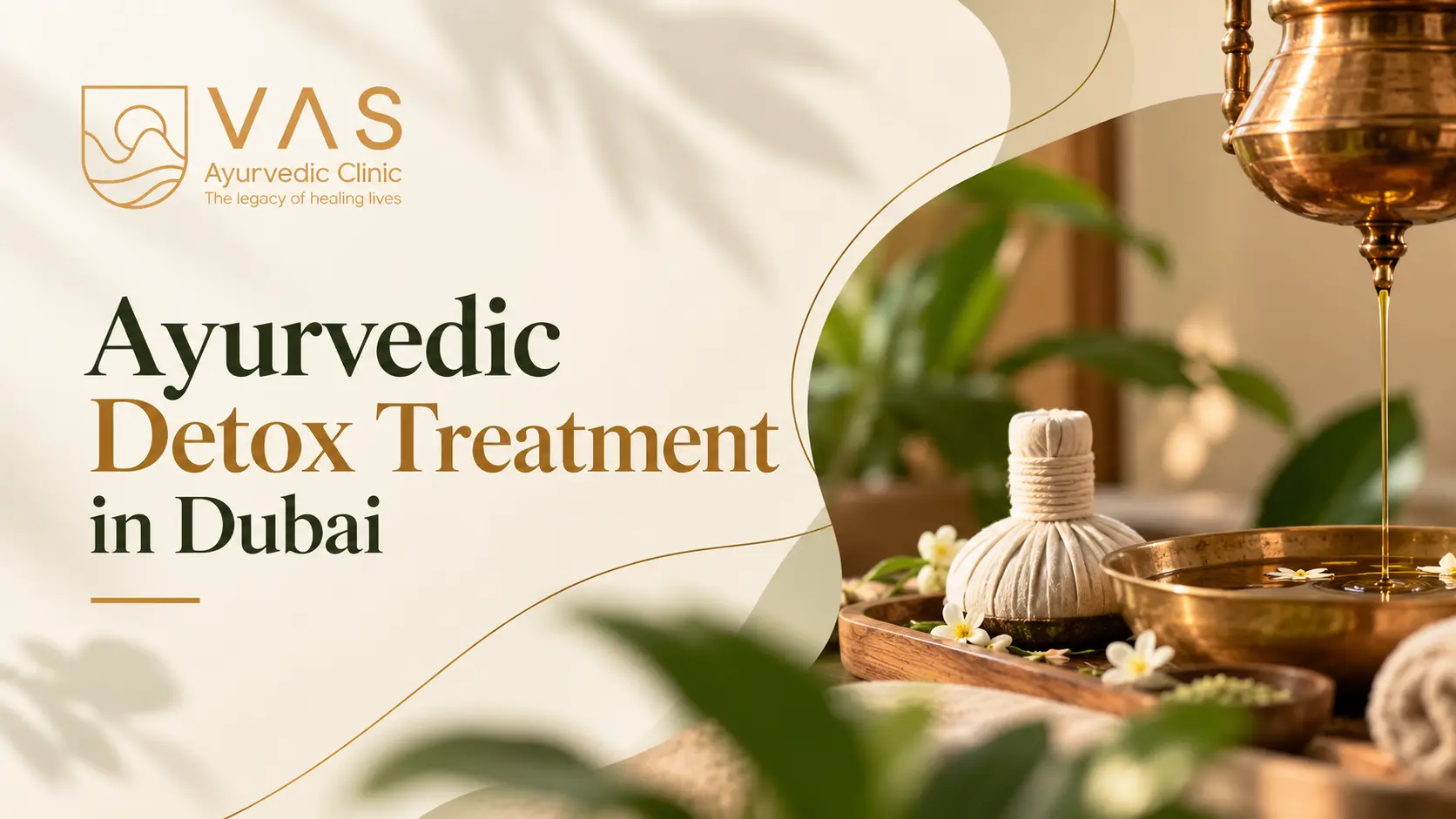
Ayurvedic detox treatment in Dubai is an option for people interested in traditional Ayurvedic cleansing practices. Panchakarma is the specialised Ayurvedic programme traditionally associated with detoxification, involving selected procedures based on an individual’s health and assessment. At VAS Ayurvedic Clinic in Dubai, you can enquire about Panchakarma treatment and learn about the available procedures, traditional benefits, safety considerations, and what to expect during a consultation.
Ayurvedic detox treatment refers to traditional cleansing practices in Ayurveda, with Panchakarma being the specialised treatment programme most closely associated with this approach.
Panchakarma is based on traditional Ayurvedic principles and may involve selected procedures, preparation, dietary guidance and aftercare. The treatment plan is individualised rather than being the same for everyone.
In Ayurveda, practitioners consider concepts such as Vata, Pitta and Kapha when assessing individual needs. These are traditional Ayurvedic concepts and should not be confused with medically established diagnostic categories.
It is also important to distinguish traditional Ayurvedic detoxification from the body’s biological detoxification processes. The liver and kidneys already play essential roles in processing and eliminating waste. Scientific evidence supporting claims that Panchakarma removes unspecified toxins or treats diseases remains limited.
Panchakarma is a traditional Ayurvedic detoxification programme that involves selected therapeutic procedures based on an individual’s needs. In Ayurveda, it is traditionally used for cleansing and purification as part of a personalised treatment plan.
Here are some traditional benefits associated with Panchakarma treatment.
Panchakarma is traditionally practised as a cleansing programme in Ayurveda. The procedures are selected according to an individual’s assessment rather than following the same approach for everyone.
Panchakarma treatment may include a combination of selected procedures, preparation, dietary guidance and aftercare. This structured approach allows the practitioner to consider individual circumstances when planning treatment.
Depending on the programme, Panchakarma may involve recommendations about food choices, rest and daily routines. Sustainable lifestyle habits can support general well-being, although recommendations should be appropriate for individual nutritional and medical needs.
Unlike a standalone Ayurvedic massage, Panchakarma may involve several stages of treatment. A qualified practitioner explains the procedures, preparation requirements and aftercare before the programme begins.
For people interested in traditional Indian medicine, Panchakarma offers a structured way to explore Ayurvedic therapies under professional supervision.
Panchakarma is traditionally used in Ayurveda to support digestive well-being. The treatment may include selected procedures and dietary guidance. Persistent digestive problems should be evaluated by a medical professional.
Panchakarma is traditionally associated with cleansing and overall wellness. However, it is not a proven treatment for metabolic disorders such as diabetes or thyroid conditions. Consult a healthcare professional before undergoing treatment.
Panchakarma is traditionally described through five principal procedures: Vamana, Virechana, Basti, Nasya and Raktamokshana. These procedures have different methods and safety considerations. Not every person undergoes all five.
If you are researching Panchakarma Treatment in Dubai, understanding these procedures can help you ask informed questions during your consultation.
Vamana is a traditional Ayurvedic procedure involving therapeutic vomiting under professional supervision. It can carry significant risks, including dehydration and electrolyte disturbances, and should never be attempted independently.
Virechana is a traditional procedure involving therapeutic purgation to induce bowel evacuation. Potential risks include dehydration and electrolyte imbalances, so appropriate assessment and supervision are essential.
Basti involves administering prescribed substances through the rectum as part of traditional Ayurvedic practice. Its safety depends on the substances used, the method and the individual’s health.
Nasya is a traditional Ayurvedic procedure involving the administration of selected substances through the nasal passages. The practitioner should explain the method, intended purpose and potential risks before treatment.
Raktamokshana is a traditional Ayurvedic bloodletting procedure used in certain practices. Because it involves blood removal, it raises important safety concerns, including bleeding and infection, and requires careful professional assessment.
The selection of Panchakarma procedures depends on the treatment plan. Ask your practitioner which procedures are proposed, why they are being considered and what alternatives are available.
When looking for Ayurvedic detox treatment in Dubai, it is important to understand the treatment programme offered by the clinic rather than relying on the term detox alone.
VAS Ayurvedic Clinic provides a point of contact for enquiries about Panchakarma and other traditional Ayurvedic therapies. A consultation can help you understand the available procedures, the expected treatment process and the relevant safety considerations.
Before starting Panchakarma, ask about:
The treatment plan should be explained clearly, and you should have the opportunity to make an informed decision.
Apart from Panchakarma, VAS Ayurvedic Clinic lists other traditional Ayurvedic therapies. These treatments have distinct purposes and should not automatically be described as detox procedures.
Abhyangam is a traditional full-body oil massage using warm oils and specific massage techniques. It may be explored for relaxation as part of traditional Ayurvedic care.
Shirodhara involves pouring a steady stream of liquid, commonly oil, over the forehead under controlled conditions. It is traditionally associated with relaxation.
Shirovasti is a traditional Ayurvedic procedure involving the retention of oil on the head. Its suitability depends on the individual and the practitioner’s assessment.
Pizhichil is a traditional therapy involving the application of warm oil over the body using a specific technique.
Podikizhi involves the application of herbal powder bundles as part of traditional Ayurvedic practice.
Kati Vasti involves retaining warm oil over the lower back within a specially formed boundary.
Nasyam involves the administration of selected substances through the nasal passages as part of traditional Ayurvedic practice.
Netra Tharpanam is a traditional Ayurvedic eye-care procedure. Anyone experiencing eye pain, vision changes or other eye symptoms should seek appropriate medical evaluation.
Takradhara is a traditional therapy involving a steady stream of medicated buttermilk or another prescribed liquid.
These treatments are different from the specialised Panchakarma programme. If your main interest is Ayurvedic detoxification, ask specifically about Panchakarma rather than assuming every Ayurvedic therapy serves the same purpose.
If you are considering Panchakarma Treatment in Dubai, understanding the consultation process can help you prepare.
The practitioner may ask about your health history, current symptoms, medications, allergies, diet and daily routine. Share this information accurately so relevant risks can be considered.
Ask which procedures are recommended, what each procedure involves and why it is being considered. The practitioner should explain the expected outcomes, limitations, possible side effects and alternatives.
Some procedures may require preparation or follow-up care. Confirm the expected duration, appointment schedule, preparation instructions and total cost before agreeing to treatment.
Aftercare depends on the procedures performed. Follow the instructions provided by qualified professionals and seek medical attention if you experience severe or concerning symptoms.
You should never feel pressured to undergo a procedure you do not understand or feel comfortable with.
Choosing a clinic involves more than comparing the therapies listed on different websites. Practitioner qualifications, transparent communication and patient safety are equally important.
Consider the following before booking Panchakarma Treatment in Dubai:
A responsible practitioner should explain both the traditional purpose and the limitations of the recommended treatment.
If you are searching for Ayurvedic detox treatment in Dubai, Panchakarma is the specialised traditional Ayurvedic programme to learn about.
VAS Ayurvedic Clinic offers an opportunity to enquire about Panchakarma and other traditional Ayurvedic therapies. Before choosing a programme, discuss your health history, the proposed procedures, possible risks and realistic expectations with a qualified practitioner.
Interested in learning more about Panchakarma Treatment in Dubai? Contact VAS Ayurvedic Clinic to enquire about available consultation options and determine what information you need before making a decision.
Panchakarma is the specialised Ayurvedic programme traditionally associated with cleansing and purification. It involves selected procedures based on an individual’s assessment.
Panchakarma is the traditional Ayurvedic programme most closely associated with detoxification. The term Ayurvedic detox can also be used broadly in wellness marketing, so it is important to clarify which treatment a clinic provides.
The five traditional procedures are Vamana, Virechana, Basti, Nasya and Raktamokshana. Not everyone undergoes all five; the recommended procedures depend on individual circumstances and professional assessment.
In traditional Ayurveda, Panchakarma is used as a cleansing and purification programme. Claims about toxin removal or treatment of specific diseases should not be assumed to be scientifically established.
The duration varies according to the procedures recommended, preparation requirements and individual circumstances. Ask the clinic for a treatment schedule before booking.
No. Some Panchakarma procedures can cause dehydration, electrolyte disturbances, bleeding or other complications. Suitability should be assessed by appropriately qualified professionals.
No. Panchakarma should not replace prescribed medication, medical diagnosis or evidence-based treatment. Consult your healthcare professional about potential risks and interactions.
Research clinics that provide clear information about Panchakarma procedures, practitioner qualifications, safety protocols, pricing and consultation requirements. Contact VAS Ayurvedic Clinic to enquire about its available services.
Panchakarma is a specialised traditional Ayurvedic programme involving selected procedures. Abhyangam is a traditional oil massage. They are different treatments and should not be considered interchangeable.
No. Ayurvedic therapies such as Abhyangam, Shirodhara and Pizhichil have their own traditional uses. They should not automatically be classified as detox treatments.
Medical note: This article provides general educational information about traditional Ayurvedic practices and is not a substitute for professional medical advice.
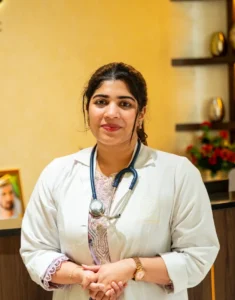
BAMS, PGDND